As technology advances, the need for effective thermal management has become paramount. Imagine a scenario where your latest electronic device overheats and fails—this is a reality for many manufacturers. A reliable heat sink supplier is essential for preventing such failures. With a market increasingly saturated, how do you choose the right supplier to meet your thermal management needs?
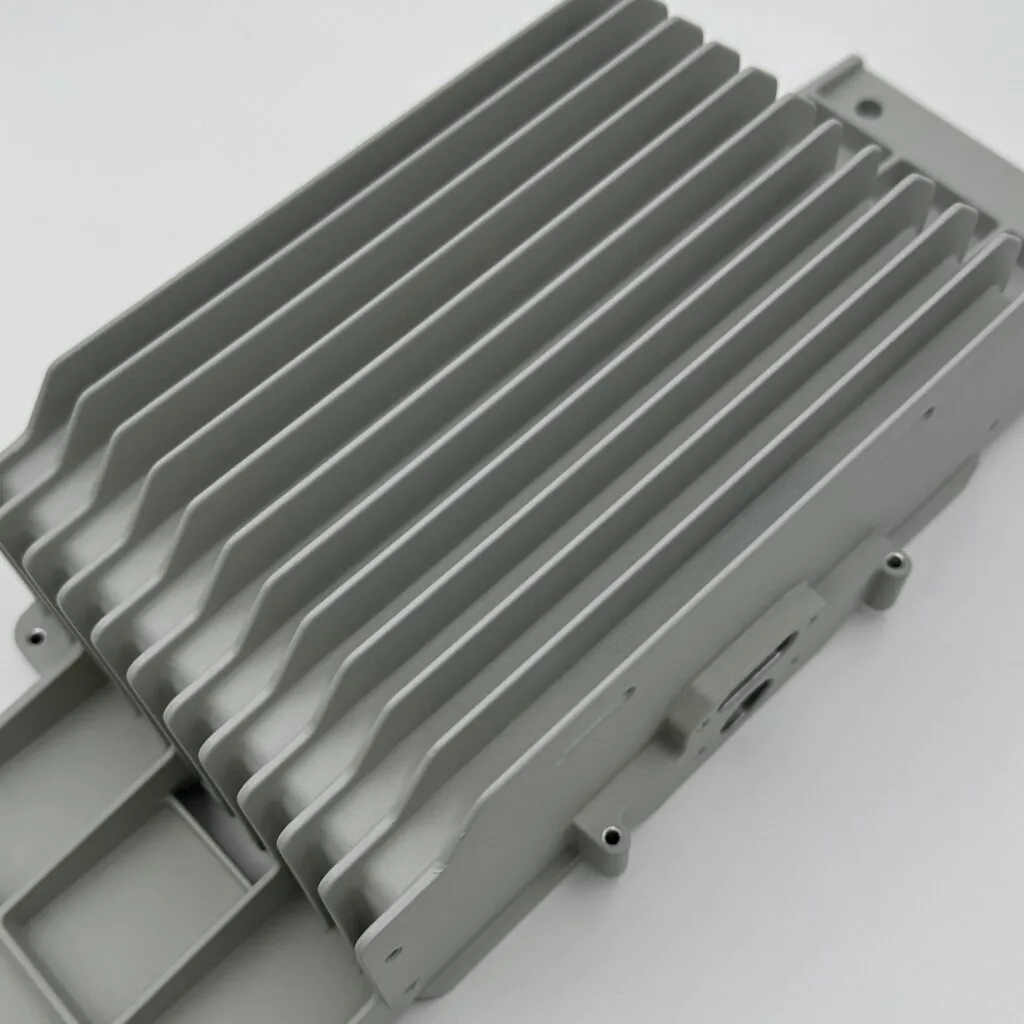
Understanding Traditional Heat Sink Solutions
Traditional heat sink solutions often fall short due to their limitations in thermal efficiency and material constraints. Conventional designs can lead to hotspots, causing performance issues in electronics. Why do failures always occur during critical operations? It’s often linked to inadequate heat dissipation methods. A major flaw lies in the use of outdated materials and designs. These solutions may have worked in past decades, but new technologies demand better.
Emerging Technologies in Heat Dissipation
New technology principles are now forming the backbone of thermal management. Innovations in materials—like advanced metals and composite structures—have drastically improved heat sink performance. These new designs focus on enhancing surface area and thermal conductivity, which directly translate into better heat dissipation. So, when it comes to heat management, look—it’s simpler than you think. Enhanced designs could mean the difference between failure and success in your projects.

Measurable Benefits of Modern Solutions
The quantified user benefits of adopting updated thermal management solutions are significant. Users report reductions in overheating and failures by over 30% when implementing high-performance heat sinks. This not only extends the lifespan of your devices but also improves overall efficiency. Rethinking your approach to heat management through a modern supplier can be transformative. It’s not just about cooling down; it’s about smart thermal management.
Conclusion: Evaluating Your Options
When searching for a heat sink supplier, always verify these 3 metrics when choosing solutions: ① Thermal conductivity of materials ② Customization capabilities ③ Supplier reliability. Make an informed decision, or your next project might end up on the cutting room floor.
Custom Heat Sinks: Meeting Specific Needs
Another significant aspect of thermal management is the use of custom heat sinks. They offer tailored solutions designed to fit specific thermal profiles. Businesses often face unique challenges, requiring specialized designs that standard products can’t fulfill. By partnering with the right supplier who provides custom solutions, companies can enhance efficiency and ensure longevity in their electronic devices. Custom heat sinks can make a vital difference, especially in sectors demanding precision.
The Role of Heatsink Manufacturers
The choice of a good heatsink manufacturer can dictate the success of your thermal management strategies. Choosing the right manufacturer means accessing innovative materials that can reduce thermal resistance. Unlike traditional suppliers, modern manufacturers focus on cutting-edge designs—enabling them to deliver products that help avoid overheating problems effectively. They also provide vital support in technical planning and execution, ensuring that every project runs smoothly.
In summary, when it comes to finding a heat sink supplier, factors such as customization, material selection, and reliable manufacturing practices are critical. For those looking to stand out in their respective markets, collaborating with a reputable manufacturer like Dingmetal can yield substantial advantages. Their track record in supplying high-performance heat sinks ensures your devices not only meet but exceed operational demands. Don’t compromise on thermal management; make the informed choice with Dingmetal.