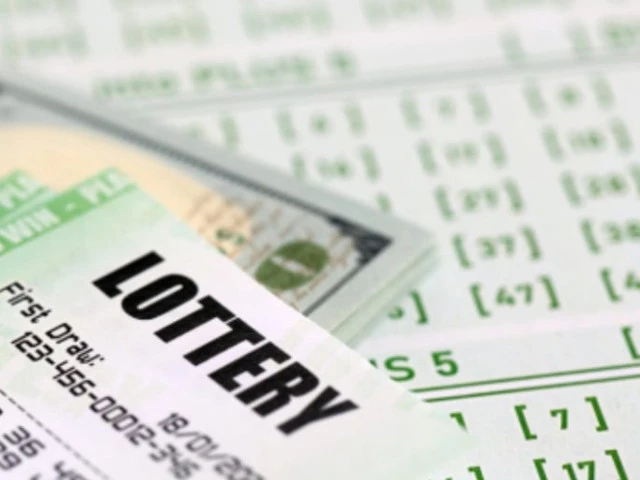
In today’s fast-paced world where success stories are often defined by sudden wealth or overnight fame, the idea of the “lottery mindset” has taken root in many people’s thinking—often without them realizing it. This mindset goes beyond simply https://joseumanaexcavating.com
the lottery; it’s a way of viewing life through the lens of luck, shortcuts, and the hope that one big break will change everything. People with a lottery mindset tend to believe that external events, windfalls, or chance opportunities will be the key to their success, rather than hard work, persistence, or gradual progress. This form of thinking can subtly influence decisions, goals, and even self-worth, creating a reliance on fantasy over personal agency.
What makes the lottery mindset so alluring is its emotional appeal. It promises a future where all of life’s problems can be solved in an instant—where debt vanishes, freedom is attained, and the burdens of daily life are lifted. It’s a seductive vision, especially in a society that glamorizes wealth and feeds us stories of people who suddenly made it big, whether through business ventures, social media, or, quite literally, winning the lottery. This environment reinforces the belief that if it happened to them, it could happen to anyone. People start to subconsciously wait for their turn, expecting that the right moment, the right contact, or the right twist of fate will deliver them to success without the slow grind of effort and time.
The danger of the lottery mindset lies in how it undermines motivation and long-term planning. When people expect life to change in a flash, they often neglect the steps required to build something meaningful and sustainable. Instead of developing skills, saving money, or setting realistic goals, they might spend their energy chasing the next big thing or waiting passively for a miracle. This leads to frustration when those miracles don’t materialize, creating a cycle of disillusionment and disappointment. Over time, the lottery mindset can erode confidence and initiative, leaving people stuck in a holding pattern of wishing rather than doing.
This mindset also affects how people view work and money. Someone with a lottery mindset may see traditional jobs or gradual promotions as unrewarding or too slow to deliver the lifestyle they want. They might pour time into get-rich-quick schemes or untested investments instead of building financial habits that lead to long-term security. This pursuit of instant wealth can become a form of escapism—a way to cope with feelings of stagnation or dissatisfaction. But rather than solving underlying issues, it often deepens them. The reality is that most success, whether financial or personal, is built step by step, not delivered in one dramatic moment.
On a psychological level, the lottery mindset is fueled by cognitive biases such as the availability heuristic—the tendency to overestimate the likelihood of events based on how easily examples come to mind. Media constantly showcases people who go viral, win jackpots, or stumble into fortunes, while quietly ignoring the millions who don’t. This distorts our sense of probability and fairness. It makes us feel like we’re always just one opportunity away from a breakthrough, even though those moments are exceptionally rare. It’s not about being pessimistic, but about recalibrating our expectations to match reality—and recognizing that consistent effort offers more certainty than luck ever can.
Ultimately, identifying and addressing a lottery mindset doesn’t mean giving up hope or ambition. It means shifting focus from fantasy to action, from passive waiting to purposeful doing. Dreams are important, but they become powerful only when they’re backed by discipline, learning, and persistence. A healthier mindset recognizes that while luck may occasionally play a role in life, it should never be the plan. Real fulfillment and success come from the work we put in over time—through small wins, smart choices, and resilience. So ask yourself: are you building toward something, or waiting for something to happen to you? The answer could redefine your path forward.