With the rising cost of electricity, environmental concerns, and the rapid advancement of solar technology, many homeowners in the usa are considering solar panel installation as a viable energy solution. Solar power offers numerous benefits, from reducing your carbon footprint to lowering energy bills. However, like any major home improvement, it comes with its own set of costs and Solar panel installation in USa considerations. In this article, we’ll explore whether solar panel installation is worth it for homeowners in the usa by examining the costs, benefits, and factors that influence the decision.
- Understanding the costs of Solar panel Installation
The initial cost of solar panel installation can be significant, with prices typically ranging from $15, 000 to $25, 000 for a residential solar system. The total cost depends on various factors, including the size of the system, the type of panels chosen, labor costs, and any additional components like batteries or energy storage systems. While this upfront investment may seem intimidating, it’s important to keep in mind that the cost of solar panels has dropped significantly over the past decade, making it more affordable than ever before.
Homeowners can reduce the initial cost of installation by taking advantage of federal and state incentives, such as the Federal Solar Investment Tax Credit (ITC), which offers a 30% tax credit on the total cost of the system. Many states also offer rebates, tax credits, or other financial incentives to encourage the adoption of solar energy. These incentives can drastically lower the upfront cost, reducing the financial burden for homeowners.
Additionally, some homeowners opt for solar loans, leases, or power purchase agreements (PPAs), which allow them to spread the cost of the system over time. In some cases, this eliminates the need for large upfront payments, making solar energy more accessible to homeowners with limited capital.
- Lowering Energy Bills and Long-Term Savings
One of the most compelling reasons to invest in solar panels is the potential to lower your monthly energy bills. Solar panels generate electricity from sunlight, which means you’ll rely less on the grid for your energy needs. This can translate into significant savings, especially in areas with high electricity rates or where solar power generation is abundant throughout the year.
The average homeowner can expect to save between $10, 000 and $30, 000 over the lifetime of a solar panel system, depending on location and energy consumption. In some cases, solar panels can reduce electricity bills by as much as 70% to 100%. The savings will vary based on your home’s energy needs, the size of your solar system, and local electricity rates. Even if you can’t eliminate your energy bill entirely, the savings from reducing your reliance on grid power can be substantial over time.
In addition to energy savings, net metering programs in many states allow homeowners with solar panels to sell excess energy back to the grid. This can provide you with credits or payments from the utility company, further offsetting the cost of installation. Over time, the combination of energy savings and potential earnings from net metering can make solar panel installation a highly cost-effective option.
- Increased Home Value
Solar panel installation can also increase the value of your home. Multiple studies have shown that homes with solar panels tend to sell for more than comparable homes without solar systems. A study conducted by the National Renewable Energy Laboratory (NREL) found that homes with solar panels sold for an average of 4% more than homes without them.
This increase in home value is driven by the growing demand for energy-efficient homes and the long-term savings associated with solar energy. Homebuyers are becoming more aware of the financial and environmental benefits of solar power, and many are willing to pay a premium for a home that already has a solar system installed. This means that installing solar panels can not only save you money on energy bills but can also provide a return on investment when you decide to sell your home.
- Environmental Impact and Sustainability
In addition to the financial benefits, solar panel installation contributes significantly to reducing your environmental impact. Solar energy is a clean, renewable energy source that produces little to no greenhouse gas emissions. By switching to solar power, homeowners can significantly reduce their carbon footprint and contribute to a cleaner environment.
According to the Environmental Protection Agency (EPA), the average residential solar system can offset around 100, 000 pounds of carbon dioxide over its lifetime. This is equivalent to planting over 2, 000 trees or removing the emissions from 100, 000 miles driven by a typical gasoline-powered car. By investing in solar panels, you are making a direct positive impact on the planet and helping to combat climate change.
For many homeowners, the environmental benefits of solar power are just as important as the financial savings. Solar energy helps reduce the country’s reliance on fossil fuels and decreases the environmental damage caused by traditional energy production methods.
- Maintenance and Lifespan
Once installed, solar panels are relatively low maintenance. Solar panel systems have a long lifespan, typically lasting between 25 and 30 years. Most panels come with a warranty of 20 to 25 years, ensuring that they will continue to perform efficiently for decades. Regular maintenance is minimal and typically consists of cleaning the panels occasionally to remove dust or debris.
The inverter, which converts the DC electricity produced by the solar panels into AC electricity used in your home, may need to be replaced after 10 to 15 years, depending on the model and usage. However, other than occasional cleaning and potential inverter replacement, there is little ongoing maintenance required, making solar panels a low-maintenance investment.
This long lifespan, combined with the minimal maintenance costs, makes solar panels a cost-effective energy solution in the long run. After the initial installation and any maintenance, homeowners can enjoy years of free or low-cost electricity with little hassle.
- Factors to consider Before Installing Solar panels
While solar panel installation offers many benefits, it’s important to consider a few factors before making the decision to install. First, consider your roof’s condition and orientation. Your roof needs to be in good condition to support the weight of the panels, and it should be ideally oriented to capture maximum sunlight (typically facing south in the northern hemisphere). If your roof is old or in need of repairs, you may need to invest in roof maintenance before installing solar panels.
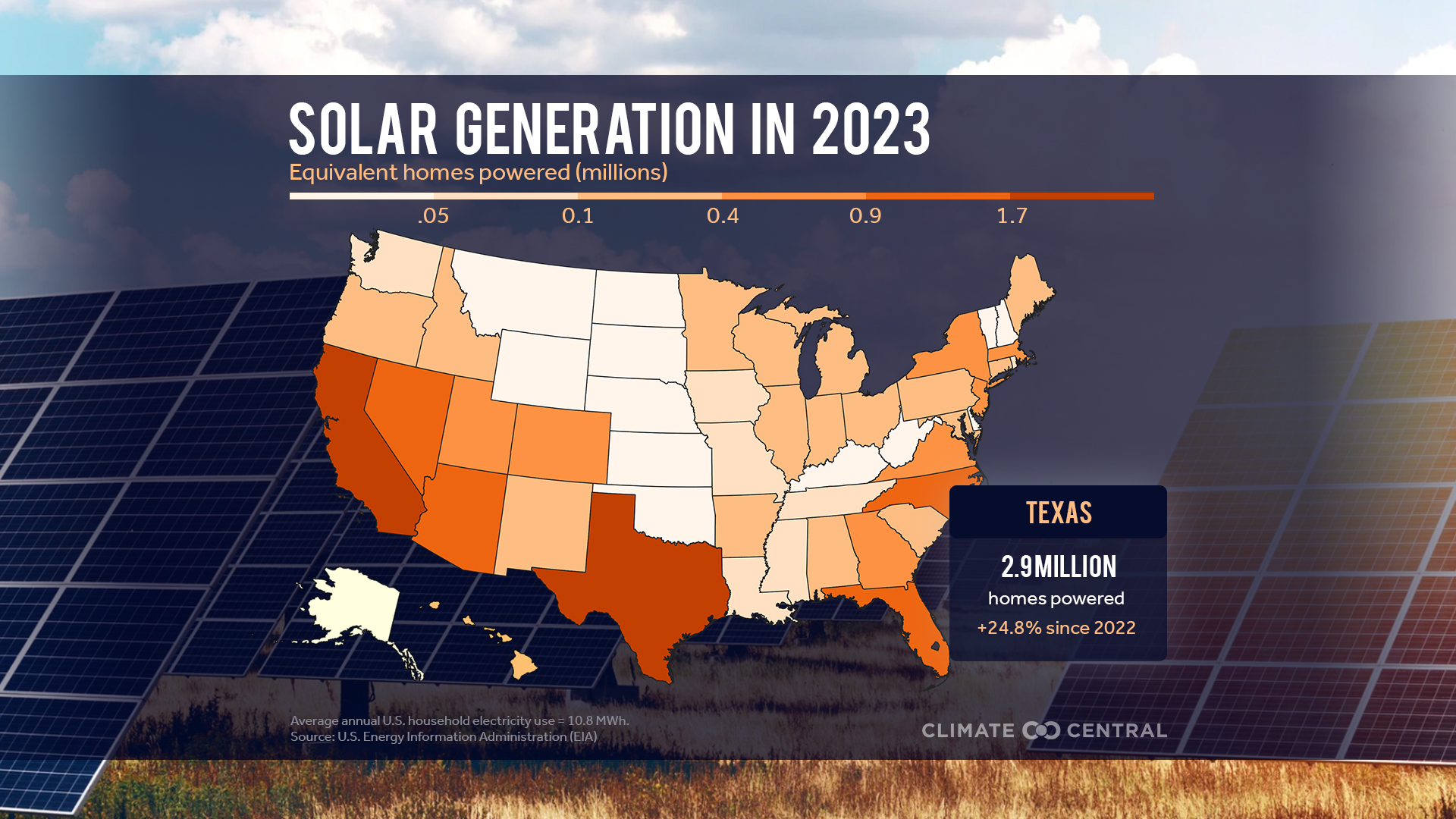
Next, consider your location. Solar energy is most effective in areas with abundant sunlight, such as the southwestern USA. If you live in an area with frequent cloudy days or limited sunlight, you may not see the same level of savings as someone living in a sunnier region. However, even in less sunny areas, advances in solar panel efficiency have made it possible to generate significant energy from solar power.
Lastly, assess your long-term plans. If you plan to move in the next few years, installing solar panels may not provide the same return on investment as it would for someone who plans to stay in their home for several decades. However, if you’re in it for the long haul, solar panels can provide decades of savings and environmental benefits.
Conclusion
For many homeowners in the usa, solar panel installation is worth the investment. The financial savings from lower energy bills, combined with increased home value, environmental benefits, and low maintenance costs, make solar energy an attractive option. While the initial cost can be high, federal and state incentives, along with financing options, make solar power more affordable than ever before. By considering your energy needs, roof conditions, and location, you can determine whether solar panel installation is the right choice for you. In the long run, the savings, environmental impact, and potential for increased home value make solar panels a worthwhile investment for homeowners looking to reduce their energy costs and contribute to a more sustainable future.