Paragraph 1: The Mushroom Everyone Recognizes
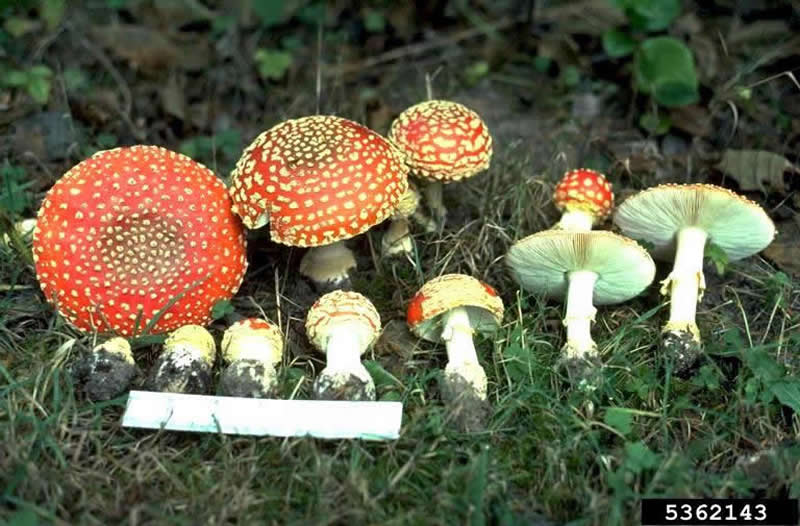
If there’s one mushroom that almost everyone can identify, it’s Amanita muscaria. With its bold red cap dotted with white warts, this striking toadstool looks like amanita muscaria kappen kaufen something out of a fantasy novel—or straight from a fairy tale. It has appeared in video games, cartoons, holiday decorations, and countless children’s books. But while it’s often portrayed as whimsical or even harmless, Amanita muscaria is far more complex than its familiar appearance suggests. From its biological role in the forest to its deep cultural roots, it holds a unique place in both nature and the human imagination.
Paragraph 2: A Forest Symbiont
Beyond its iconic looks, Amanita muscaria plays a vital role in the ecosystems where it grows. Found in temperate and boreal forests across the Northern Hemisphere, it forms symbiotic relationships with trees like pine, birch, and spruce through a process called mycorrhiza. This mutualistic connection allows the mushroom to exchange nutrients with the tree, improving the health of the entire forest. While it may stand out visually, Amanita muscaria is deeply connected to the hidden network of life beneath the soil, acting as a quiet partner in the survival of towering woodland giants.
Paragraph 3: Folklore, Fairies, and the Supernatural
For centuries, this mushroom has been associated with mystery, magic, and the supernatural. In European folklore, it’s often linked to fairies, forest spirits, and magical beings. In some traditions, seeing an Amanita muscaria was considered a sign that otherworldly forces were near. It also shows up in fairy rings—naturally occurring circles of mushrooms—which only deepened its connection to mystical lore. The red-and-white toadstool became a staple of fantasy imagery, symbolizing both danger and enchantment, and blurring the line between the natural and the magical world.
Paragraph 4: A Complex Chemistry
Unlike many other mushrooms that are either edible or clearly toxic, Amanita muscaria sits in a gray area. It contains psychoactive compounds—primarily muscimol and ibotenic acid—that can cause intense, dreamlike experiences. However, these substances also come with side effects such as nausea, confusion, and muscle spasms. Traditional users in Siberian cultures learned how to prepare the mushroom to reduce toxicity, often drying it or boiling it in water. Modern interest in its effects has grown, but the unpredictable nature of the experience means it should never be taken lightly.
Paragraph 5: Pop Culture and Psychedelic Revival
In recent decades, Amanita muscaria has enjoyed a renaissance—not just in mycology circles, but in pop culture and alternative wellness communities. Its image has become a symbol of psychedelic curiosity and natural mystery. It features prominently in video games like Super Mario, in which it gives characters special powers. Meanwhile, a growing number of people are exploring its psychoactive properties for dreamwork, meditation, and even microdosing, though this remains controversial and under-researched. The mushroom continues to captivate artists, writers, and spiritual seekers alike.
Paragraph 6: A living Symbol of Wonder
Amanita muscaria is more than just a photogenic mushroom—it’s a symbol of nature’s complexity, beauty, and unpredictability. It reminds us that not everything in the natural world is easily categorized. At once poisonous and medicinal, feared and revered, real and mythical, it stands as a bridge between science and story, forest and folklore. For those who encounter it in the wild, it’s a visual marvel. For those who study it, it’s a window into ancient practices and hidden knowledge. And for everyone, it’s a reminder that wonder still thrives beneath the trees.