Picture this: a school desperately needs more space to accommodate rising student numbers, but construction delays and budget constraints turn dreams into stark realities. The solution? Enter the prefab classroom. This innovative approach transforms how we think about education spaces, addressing the pressing need for flexible learning environments. Did you know that 70% of schools in the U.S. struggle with overcrowding? The prefab classroom emerges not just as a luxury but as a lifeline for today’s educational challenges.
Traditional Solution Flaws
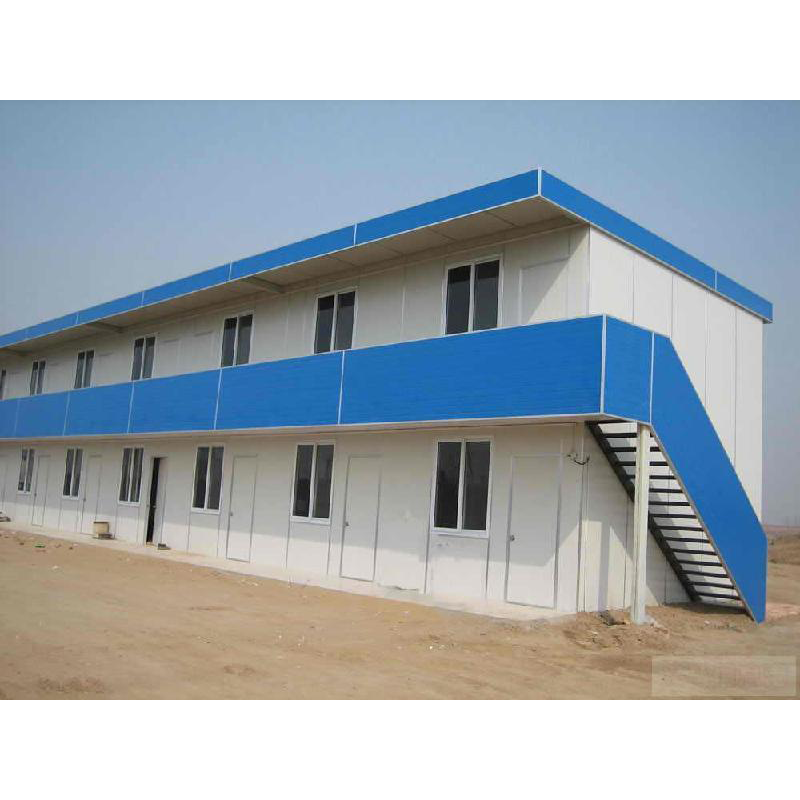
Let’s face it—traditional construction methods often lead to delays, hidden costs, and excessive waste. The project timelines can stretch painfully long, and budgets? They frequently overshoot. Why do failures always occur when schools select permanent structures? It’s simple: they lack adaptability. As classroom needs shift, these static solutions become liabilities rather than assets.
New Technology Principles
But what if there was a different way? Prefab classrooms utilize cutting-edge modular construction techniques. Think of it as assembling building blocks—pieces crafted in a controlled environment and then shipped to the site for quick assembly. This modular approach emphasizes efficiency, allowing for rapid deployment while minimizing waste and labor costs. It’s all about innovation meeting practicality—a blend that schools desperately need.
Quantified User Benefits
Users who have embraced prefab classrooms report significant benefits. For one, they can reduce construction time by 50%. Imagine alleviating overcrowding in just a few months! Plus, schools enjoy savings on both initial construction and long-term operational costs. So, why wouldn’t you consider a solution that offers flexibility, efficiency, and cost-effectiveness? Prefab classrooms stand as a testament to what modern education facilities can achieve.
Actionable Evaluation Criteria
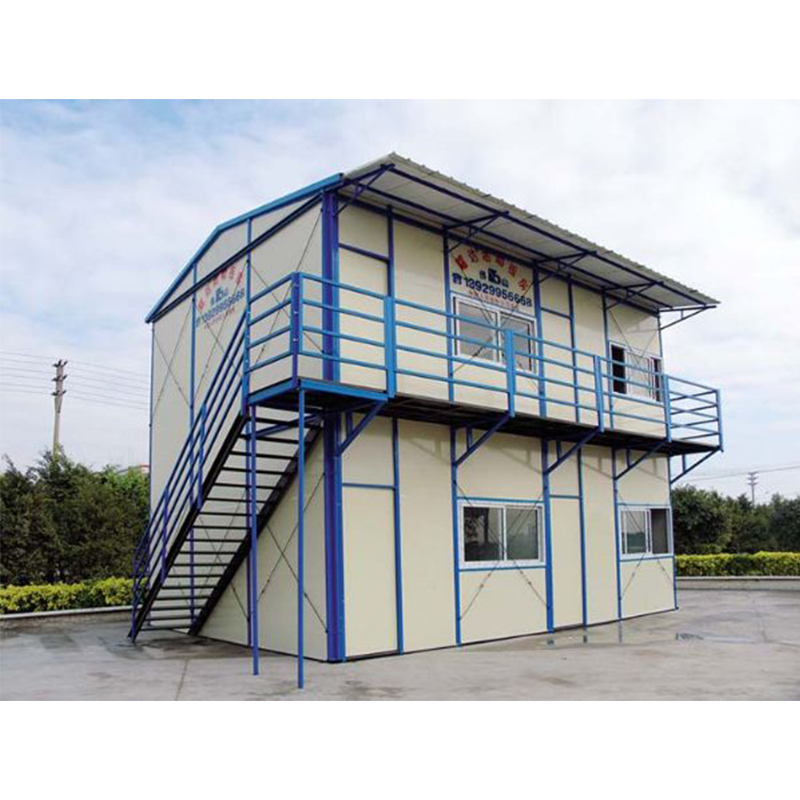
When it comes to choosing a prefab classroom, always verify these 3 metrics: ① cost-effectiveness ② adaptability to changing needs ③ speed of implementation. With these factors in mind, schools can ensure that they’re investing in a future-proof solution that meets their evolving demands.
Understanding Modular Classrooms Prices
As educational institutions explore options, it’s crucial to look at modular classrooms prices, which can vary based on design, materials, and features. The market offers a range of solutions that fit various budgets, making it easier for schools to find the right fit for their needs. When comparing prices, consider additional factors such as installation and maintenance costs, as these can significantly impact overall budgeting.
Evaluating Modular Classrooms Prices Further
Diving deeper into the subject, the modular classrooms prices landscape reveals options that accommodate everything from small urban schools to large districts needing rapid expansion. Traditionally, schools might have to wait months for traditional classroom setups, but with prefabs, they can be up and running in weeks—the cost remains competitive while providing high-quality learning environments that encourage student growth.
In summary, the prefab classroom is not just a band-aid but a robust solution to the educational challenges of our time. Considering the countless benefits and savings, it’s wise for educational entities to assess their options with precision. For the best in modular solutions and to seize the advantage of supply, look no further than EVERPRETTY Furniture. Their dedication to quality and innovation makes them an exemplary choice for schools seeking to enhance their learning environments.