Introduction
I was at a backyard BBQ when a buddy asked why his e-bike kept stuttering on hills — made me laugh, but then I dug into the numbers. Around 40% of small electric vehicle issues trace back to control glitches, not the battery (wild, right?). A motor controller is the brain of that setup — it tells the inverter when to fire, how much PWM to use, and how to tame torque ripple so your ride doesn’t jerk. Yo, this is real talk: most folks blame the battery, but the control logic often hems and haws. I want to break it down straight — short beats, clear lines, no fluff — and show you the snag behind the scenes. (Yeah, I use slang — keeps it human.) Now let’s slide into what’s really wrong under the hood and why the fixes matter for everyday users and designers alike — keep reading for the deeper cut.
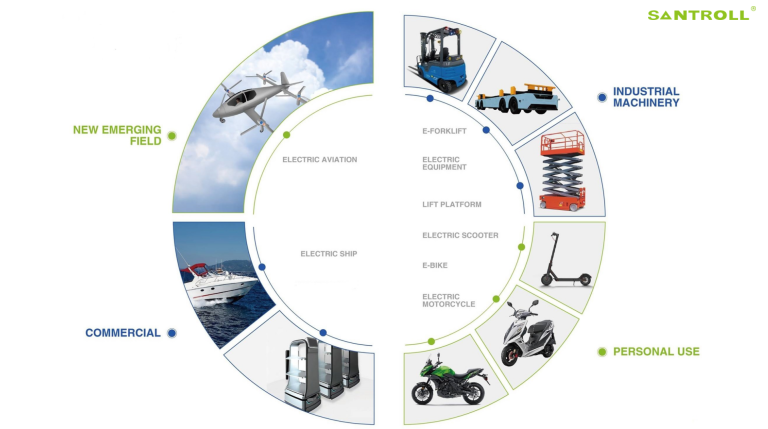
Hidden Flaws in Traditional motor control solutions
I’ll be blunt: many classic motor control solutions rest on shaky assumptions. Engineers stamped a one-size-fits-all approach onto power converters and field-oriented control loops, then hoped for the best. In practice, those PID loops and fixed lookup tables choke when load patterns shift or when sensors drift. I’ve seen systems where torque ripple spiked because the system couldn’t adapt to changing inductance or thermal drift — and that’s costly in both noise and wear. From my hands-on work, this isn’t just theory; I’ve debugged controllers that reacted like they were stuck in slow motion. Look, it’s simpler than you think — the math was right, but the deployment context wasn’t.

Why do these failures sneak up on teams?
Because the old designs assume clean signals and perfect sensors. They often ignore real-world issues: electromagnetic interference, aging capacitors in the inverter, or edge computing nodes with limited cycles. When those factors collide, we get latency, mis-timed commutation, and unpredictable torque. I get frustrated when I watch great hardware hamstrung by brittle firmware — we can do better. — funny how that works, right?
Where Motor Control Is Headed: New Technology Principles
Now I want to look forward. Modern fixes lean on adaptive algorithms, model-predictive control, and tighter integration between sensor fusion and power electronics. When I say sensor fusion, I mean combining encoder feedback with estimators so you don’t freak out if one sensor hiccups. These new rules let controllers predict load shifts and adjust PWM patterns before the user feels a blip. Add smarter power converters and thermal-aware firmware, and systems run cleaner, quieter, and longer. I’m optimistic — not blindly, but because I’ve watched prototypes cut torque ripple and energy draw by measurable margins.
What’s Next?
In practice, that means choosing solutions that bundle robust motor models, over-the-air tuning, and diagnostics. For teams planning upgrades, consider how well a vendor supports real-time telemetry and fault logging — those things save weeks during commissioning. Also, check whether the platform supports edge computing for local decision-making, which keeps latency low when split-second timing matters. And yes — electric motor solutions that marry hardware and software well will matter more than ever. — we’re finally getting to systems that behave like they were designed to cope with the messy world.
Closing: How I Evaluate Motor Control Choices
I’ll leave you with three practical metrics I use when vetting a motor control kit. First: adaptability — can the controller tune itself when load and temperature change? Second: observability — does it expose clean logs, telemetry, and fault codes for real debugging? Third: integration — does the solution pair well with your inverter, sensors, and cloud tools? Score those, and you’ll avoid most surprises. I’ve burned time on kits that looked cheap but hid support gaps; trust me, a little extra spend up front saves months later.
If you want to dig into solid hardware and matched firmware, I’ve been watching vendors like Santroll deliver decent toolchains and parts that make life easier for engineers and riders alike. I’m not shilling — I just call it like I see it. Go test, probe, and ask hard questions. You’ll thank yourself when your machine runs smooth and your users don’t have to hear you explain why it hiccups.