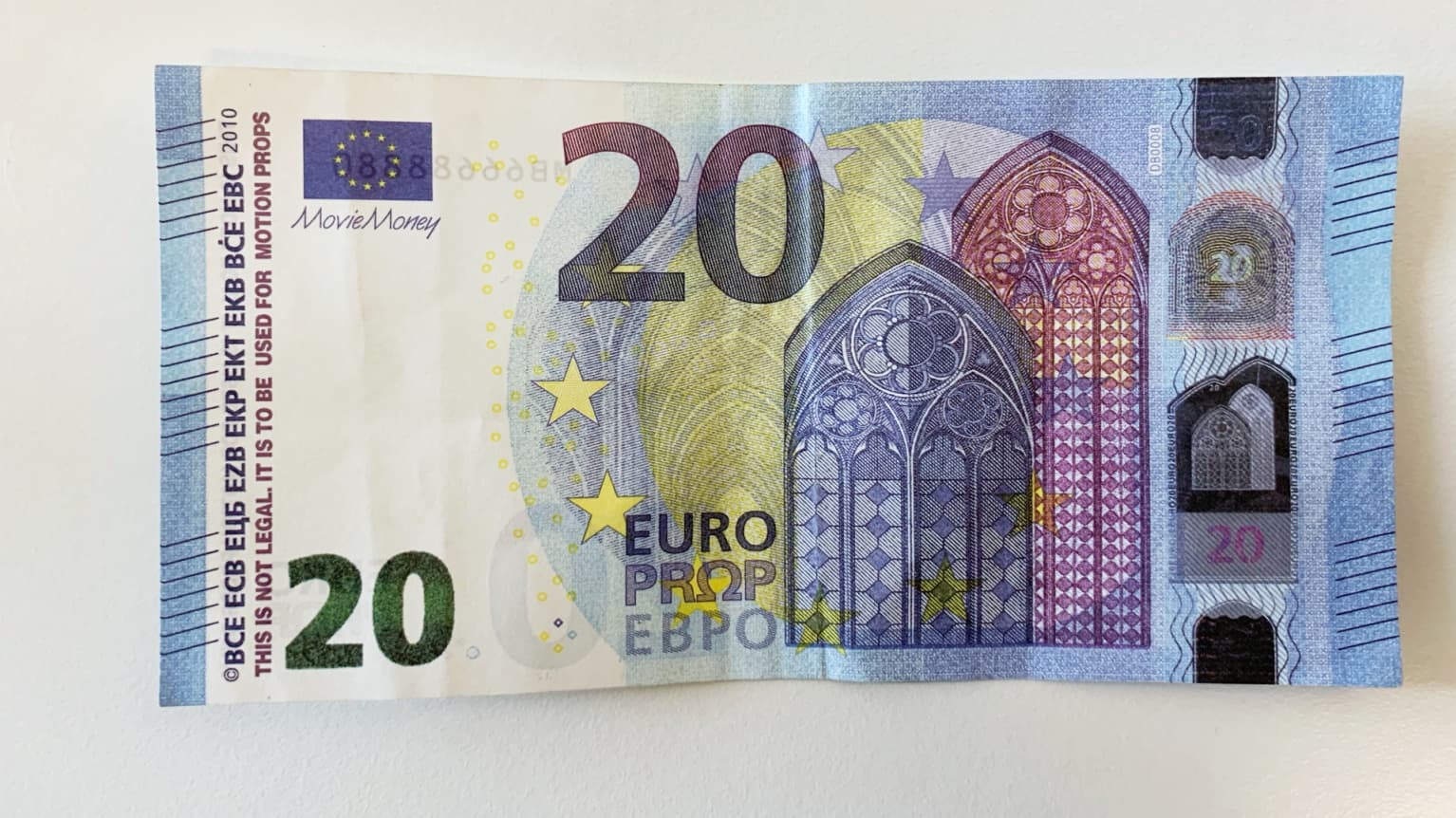
In 2025, the circulation of counterfeit euros has seen a noticeable surge across several European countries. From street markets falschgeld kaufen to digital platforms, fake currency is becoming more common, despite the European Central Bank’s ongoing efforts to improve banknote security. This rise is not random—it’s the result of a combination of economic pressures, technological access, and the growing influence of the dark web. Understanding the reasons behind this trend can help you stay alert and protect yourself from falling victim to counterfeit fraud.
One key factor fueling the increase in counterfeit euros is the widespread availability of advanced printing technology. High-resolution printers, specialized inks, and fake watermark templates are now more accessible than ever, even to low-level criminals. What once required an organized printing operation can now be done with affordable equipment and minimal technical skill. As a result, both professional forgers and amateur scammers are producing fake notes that are often convincing enough to fool unsuspecting individuals.
Another contributor to this trend is the economic instability and inflationary pressures felt across parts of Europe. With rising living costs and job insecurity, some people are turning to illegal activities—like buying or using counterfeit currency—as a desperate way to stretch their finances. Others, particularly younger individuals, are drawn in by scams promising easy money through the purchase of “undetectable” fake euros online. These offers, often found on the dark web or social media, target those unaware of the severe legal and financial risks involved.
The dark web’s role in distributing counterfeit euros has also expanded in 2025. Encrypted marketplaces offer bundles of fake cash in exchange for cryptocurrency, promoting their products with fake customer reviews and “quality guarantees. ” These transactions are difficult for law enforcement to trace, and the notes are often shipped discreetly across borders. Many recipients mistakenly believe they can use the fake euros without consequences, only to find themselves facing criminal charges or being scammed entirely by the seller.
Despite these challenges, there are practical steps you can take to stay safe and avoid counterfeit euros. First, educate yourself on the security features of genuine euro banknotes. Use the “Feel, Look, Tilt” method promoted by the European Central Bank to identify raised print, holograms, watermarks, and color-shifting ink. Many retailers now use ultraviolet (UV) detectors and counterfeit pens—tools you can also buy for personal use if you frequently handle cash.
In addition, be cautious with suspicious cash transactions or unusually good deals, especially in informal settings. Don’t accept high-denomination bills from unfamiliar sources without verifying them. If you receive a note that feels or looks unusual, compare it to one you know is authentic. And most importantly, never attempt to buy counterfeit euros online. Not only is it illegal, but many sellers are scammers who will take your money and leave you empty-handed—or worse, expose your identity to criminal networks.
In conclusion, the rise in counterfeit euros in 2025 is a product of modern technology, economic stress, and the dark web’s reach. But with the right knowledge and vigilance, you can protect yourself from being a victim. Stay informed, use detection tools, and report any suspicious activity to the authorities. By taking these steps, you help preserve the integrity of Europe’s currency and protect your financial future.