A Comparative Reality Check for Busy Teams
Your hybrid meetings don’t fail because of people; they fail because the room is stuck in 2018. Today’s hybrid meeting room solutions must bridge real rooms and digital spaces without friction. Most teams try to stitch an onsite and remote meeting system together after the fact, and it shows in the first five minutes of every call. Picture a Monday stand-up: someone dials in from Providence, someone else is in a glass box near South Station, and one person’s audio rides a roller coaster—wicked choppy. Studies keep saying the same thing: delays and dropouts cost time, focus, and trust. But here’s the kicker—what if the “good enough” gear is the reason the meeting never feels equal?
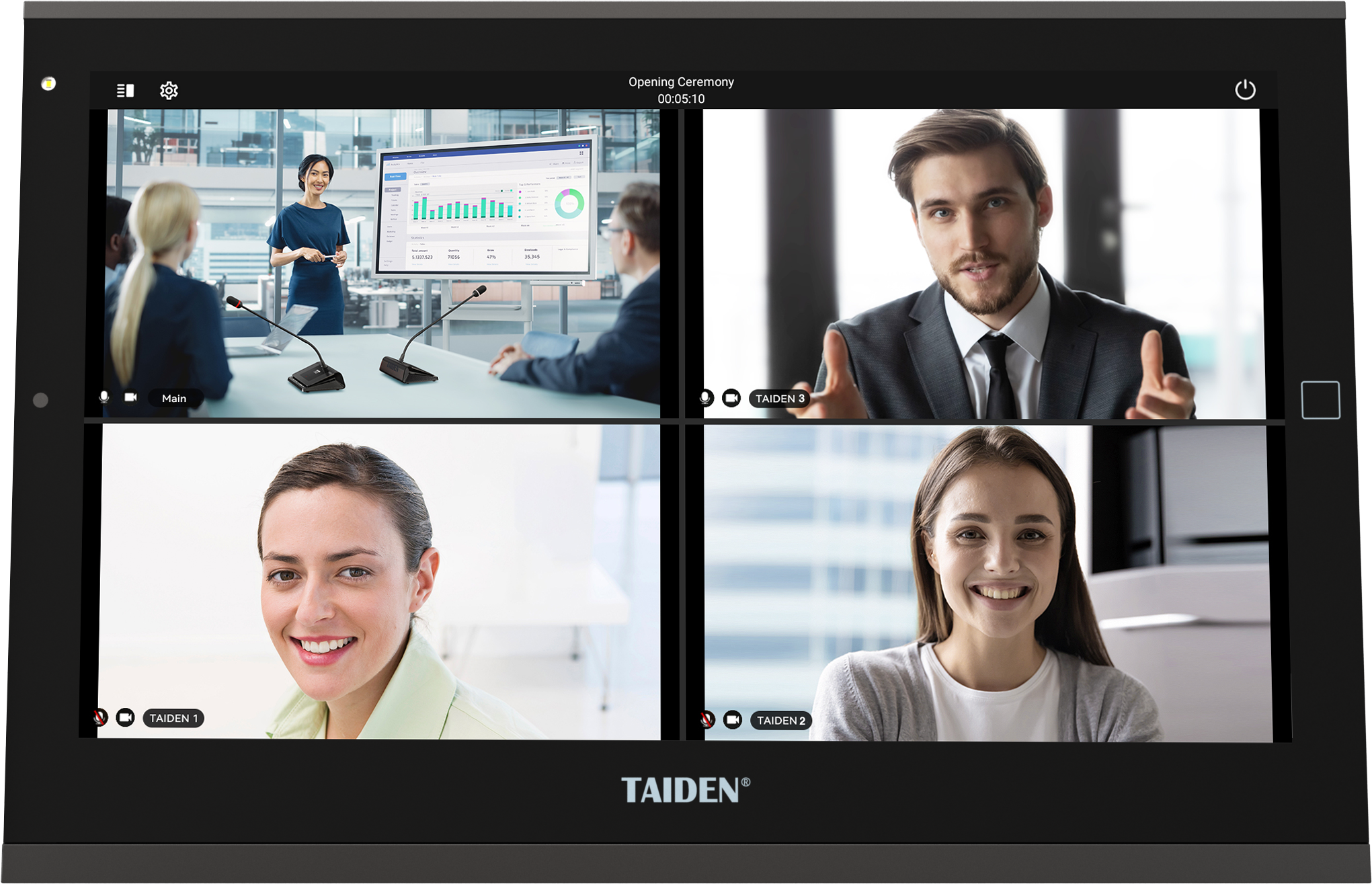
Let’s ground this. A typical room stacks mixed-brand devices, a few USB hubs, and a tangle of power converters. Then it hopes the cloud will do the rest. Meanwhile, lag creeps up, echo cancels late, and people talk over one another. That’s not just annoying; that’s a design gap. So ask yourself: is the room working for the team, or is the team working around the room (be honest)? Keep that in mind as we compare what keeps breaking with what should be standard now. Next up: the deeper flaws hiding in plain sight—and how to spot them fast.
The Deeper Problem: Where Traditional Setups Trip Up
What’s actually breaking?
Let’s get technical, quick. Legacy rooms push all audio and video through a single USB bottleneck, then pass it to the cloud. When bandwidth dips, your DSP pipeline chokes, and beamforming mics lose their edge—funny how that works, right? Without local edge computing nodes to preprocess streams, every small glitch becomes a big one. Echo cancelers overreact. Camera switching lags by a beat. The result: people talk, then stop, then start again. Collaboration turns into a stop‑motion film. And no, a bigger soundbar is not a fix.
Look, it’s simpler than you think. The weak links are consistent: unmanaged QoS policies on the LAN, power converters that introduce hiss or drop under load, and control surfaces that can’t enforce room profiles. Mix in ad‑hoc firmware, and you get mystery failures right before the CFO joins—go figure. A modern onsite and remote strategy needs device‑level sync, deterministic latency, and routing that survives a hiccup. In practice, that means room kits where the codecs, the mic array, and the cameras speak the same clock; where failover is automatic; and where the admin sees one pane of glass, not five. If your current stack can’t guarantee sub‑150 ms round‑trip voice, you are building on sand.
Looking Ahead: New Principles and Real‑World Payoff
What’s Next
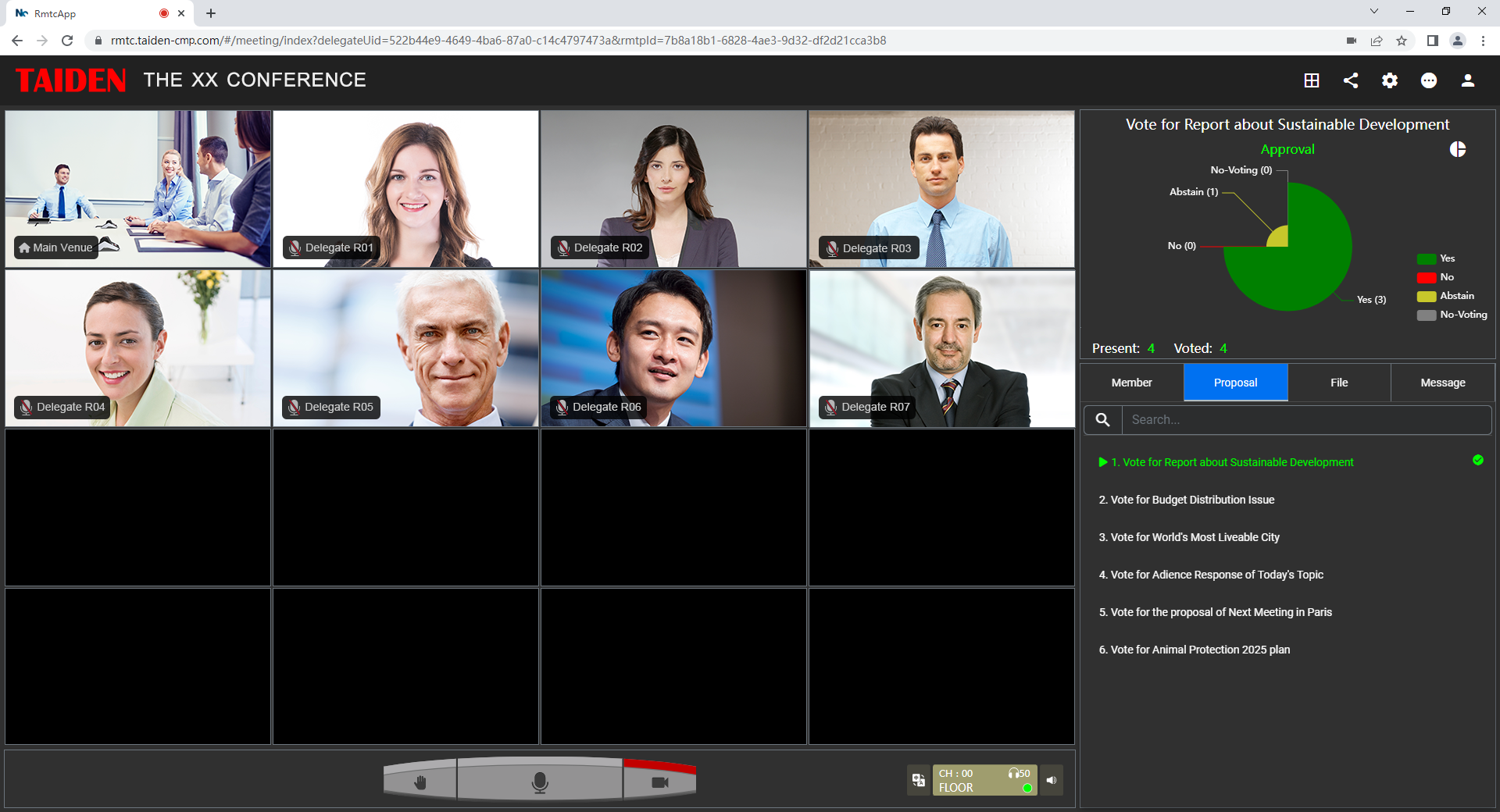
Now we shift to what actually changes outcomes. New rooms push intelligence closer to the table. Edge processing cleans audio at the source, while smart camera framing runs on local silicon, not a distant server. Streams then hit the cloud already stable, which means fewer renegotiations and fewer “can you hear me now?” moments. Add policy‑driven control—role‑based access, API logs, and automatic scene presets—and small rooms start to behave like mission control. The same backbone can host remote simultaneous interpretation without spinning up a second stack. One transport, multiple languages, zero extra juggling. The meeting feels live, not fragile.
Comparatively, that’s the edge: consistency. A well‑designed system sets a latency budget, keeps acoustic coverage above a clean signal‑to‑noise threshold, and enforces QoS from switch to ceiling mic. And yes, you still need people who know the room (this is Boston—we like things dialed in). But when the platform is coherent, support calls drop, and session starts get crisp. Here’s how to judge your next move. First, measure end‑to‑end voice delay; if typical paths exceed 150 ms, pass. Second, verify acoustic coverage and intelligibility; target at least 20 dB SNR at the farthest seat, with beamforming microphones maintaining localization during crosstalk. Third, check manageability and resilience; you want role‑based controls, auditable APIs, and an uptime record at or above 99.9%. Nail those, and upgrades stop being guesses—they become repeatable wins. For solutions that align with these principles and integrate interpretation, consider providers who design rooms as systems, not piles of parts, such as TAIDEN.